
Click the sections below to read winter highlights from this 2025 – 2026 season!
COLLABORATIVE CONSERVATION
Festival del Día de los Humedales
February 2nd is International Wetlands Day, and communities across the world take part in celebrating these ecosystems that cover much of the Earth’s surface and play a key role in maintaining environmental balance. Apart from hosting a great diversity of flora and fauna, they also provide resources to nearby coastal communities, making them ecologically, economically, and culturally crucial.
This year, like the year before, we celebrated Wetlands Day Festivals in both the communities of Bahía de Kino and Punta Chueca, following the theme of the RAMSAR convention’s slogan, “Wetlands and Traditional Knowledge: Celebrating Cultural Heritage.”
Punta chueca
The festival in Punta Chueca took place on January 31st and was organized by our Coordinator for Indigenous Community Partnerships, Aaron Barnett and a committee of Comcaac community project leaders.
The event featured a series of community project presentations, traditional Comcaac songs, games, tamales, and the participation of Comcaac artisans. The festival concluded with a beach cleanup that took place the following day, February 1st.
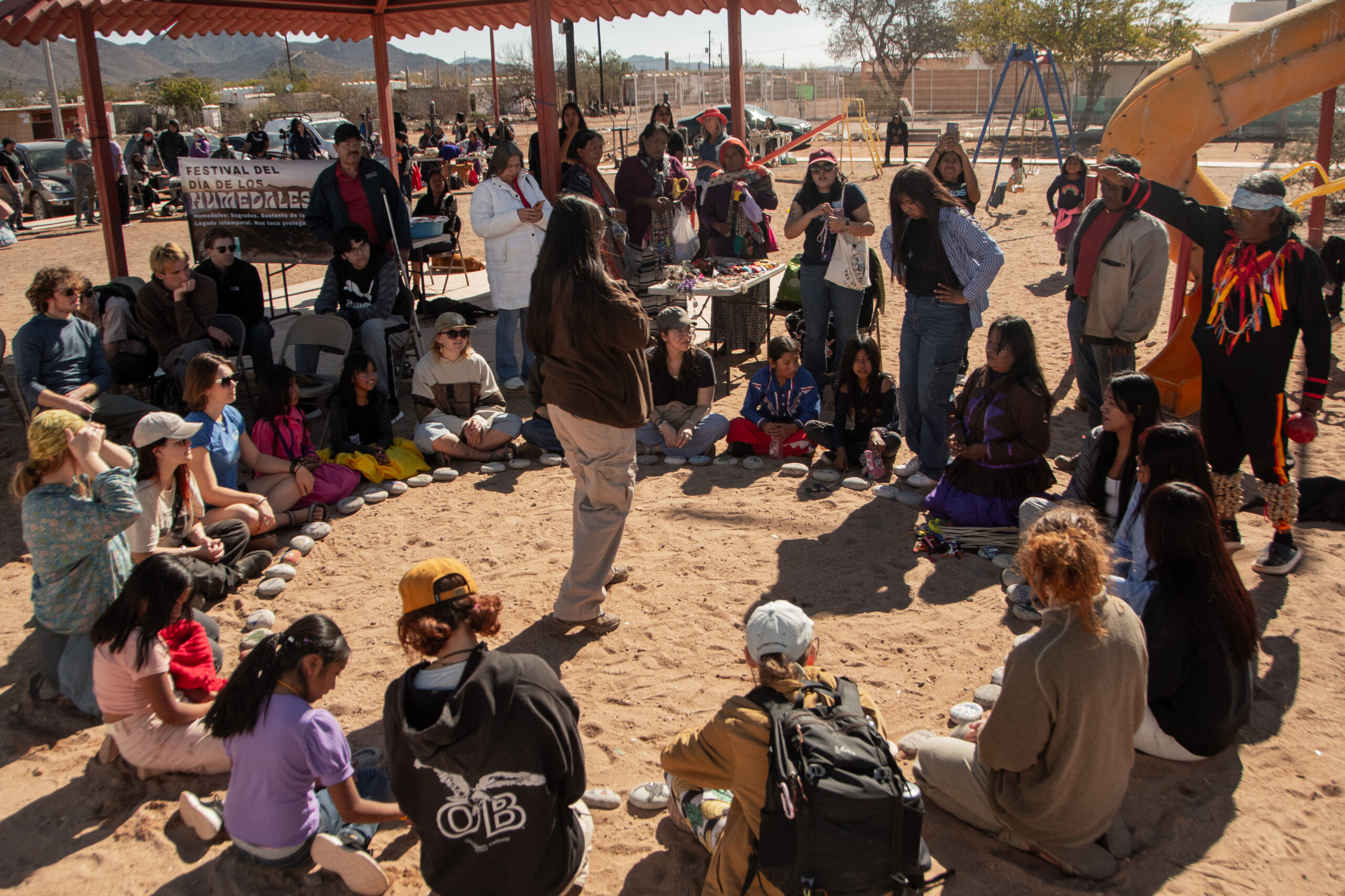
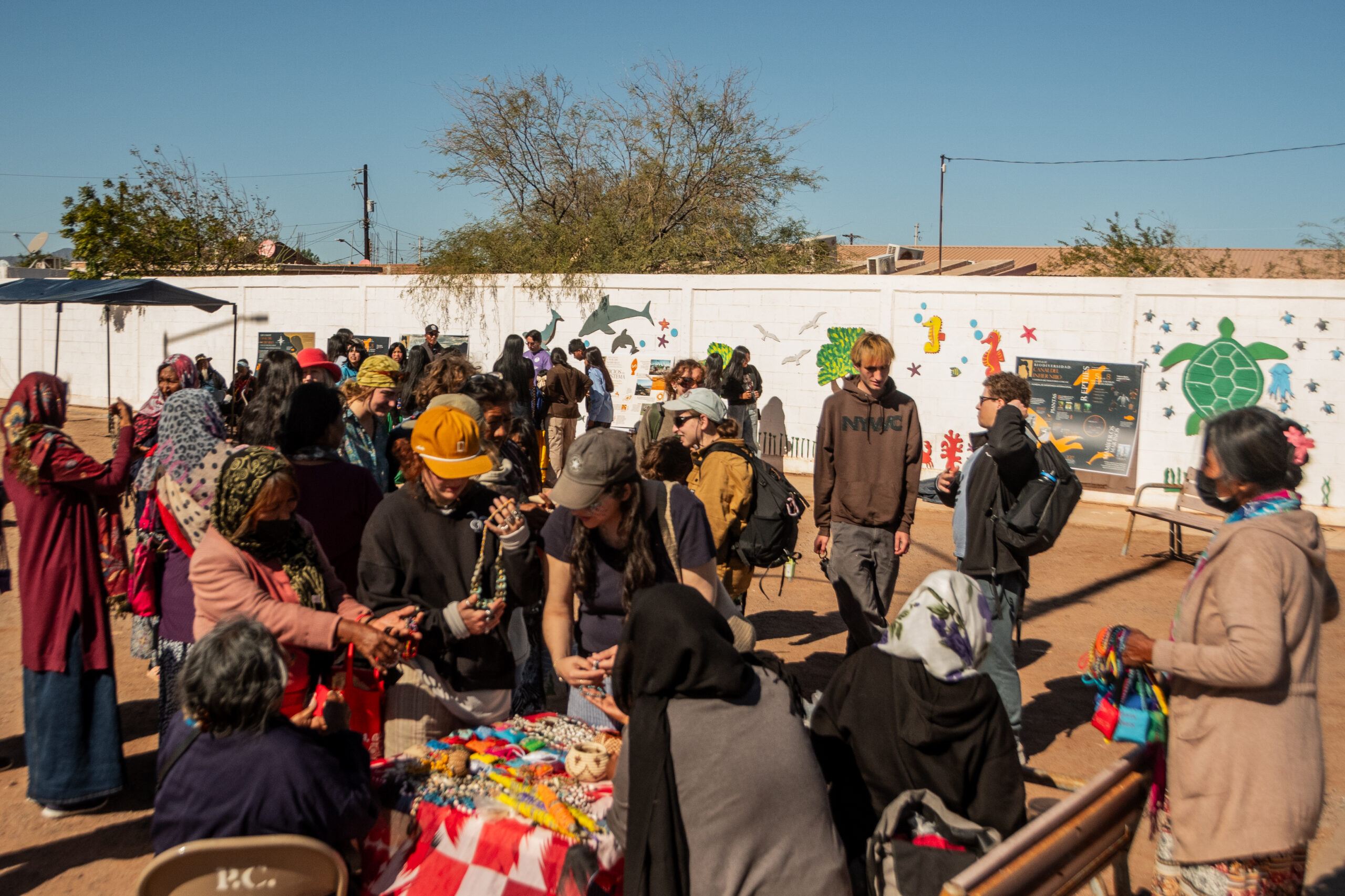
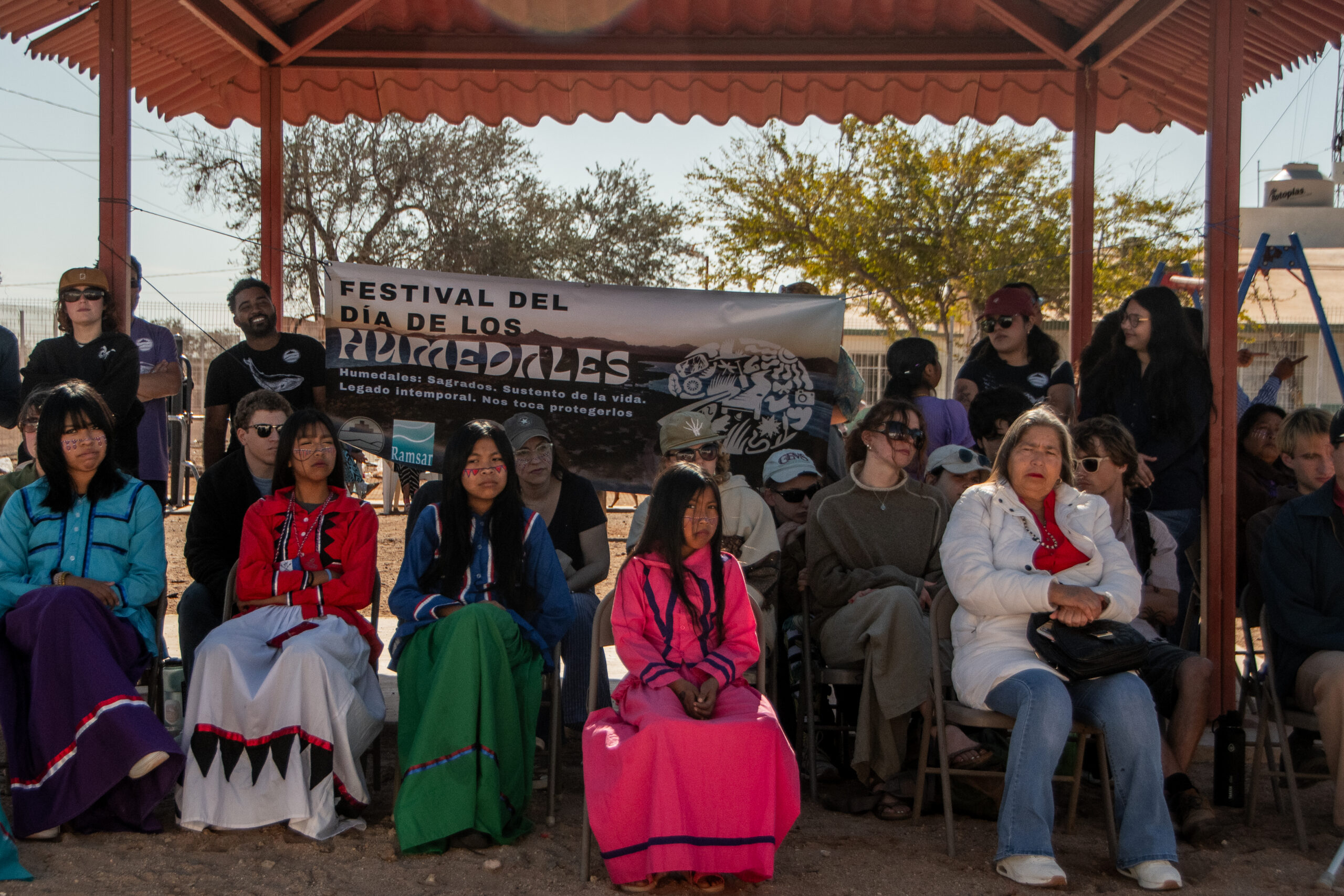
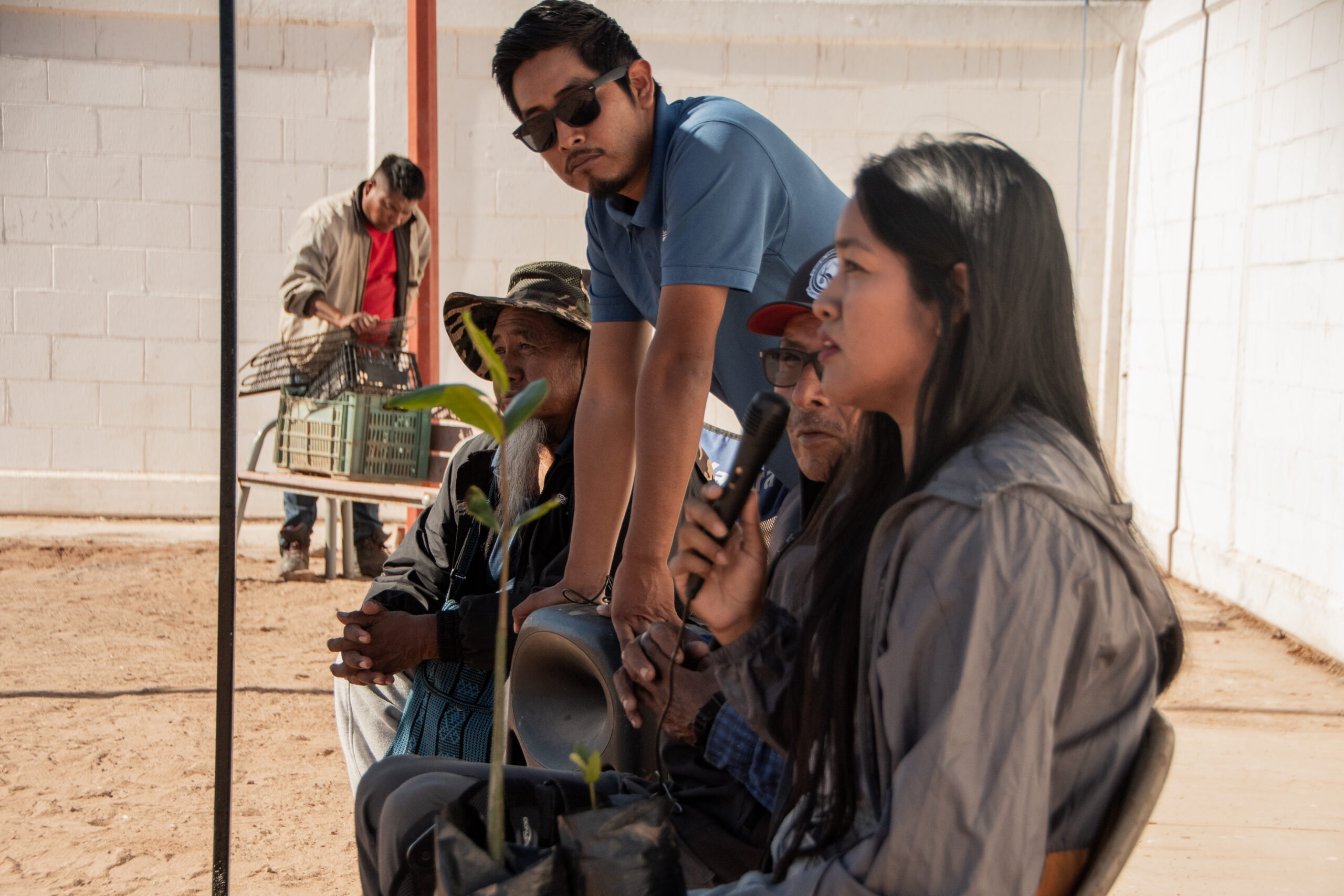
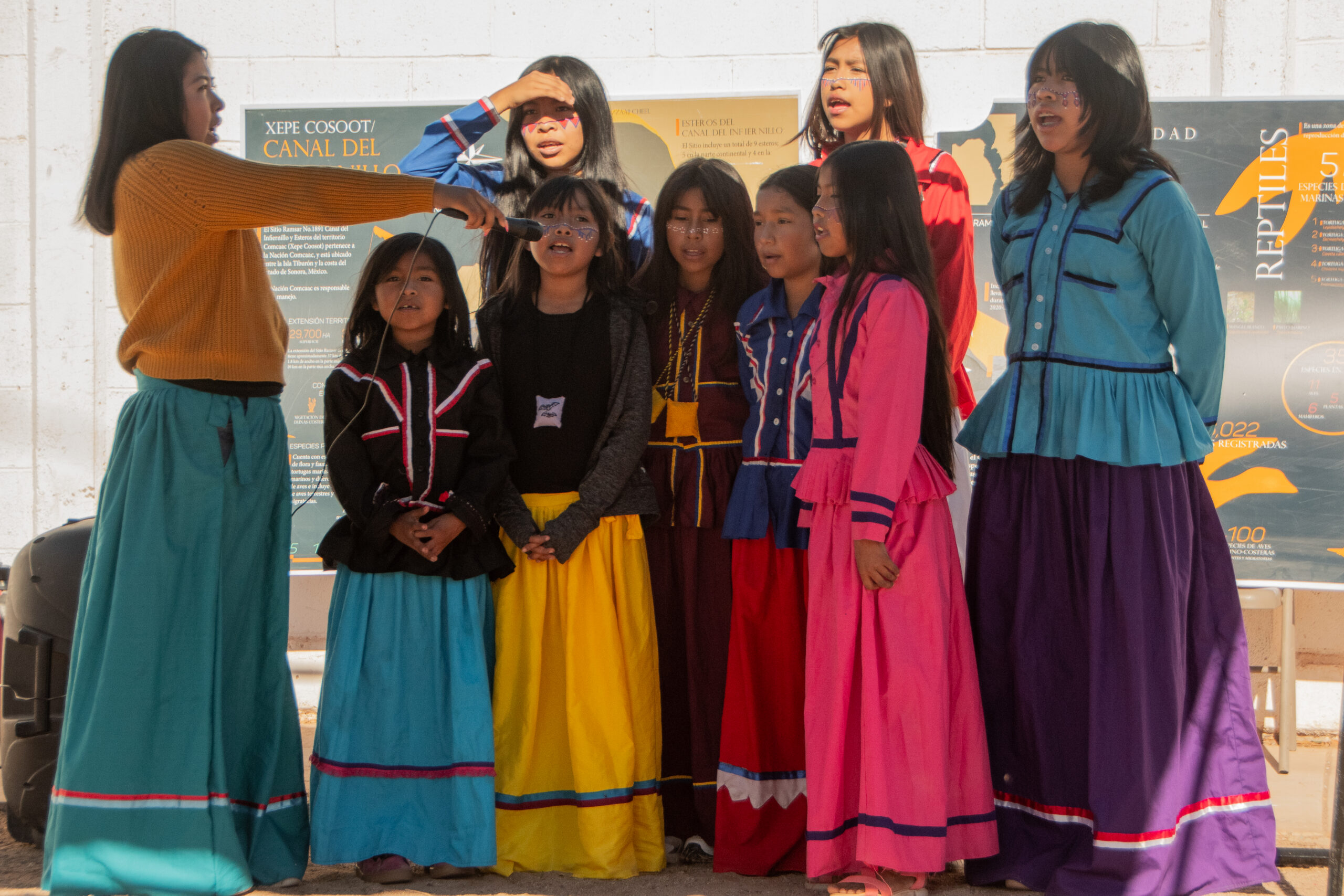
Andy Galindo/Kino Bay Center
Bahía de kino
On February 6, activities began in Bahía de Kino with the screening of the documentary My Octopus Teacher at the town auditorium, organized by the “Jóvenes Delfines” middle school ecology club.
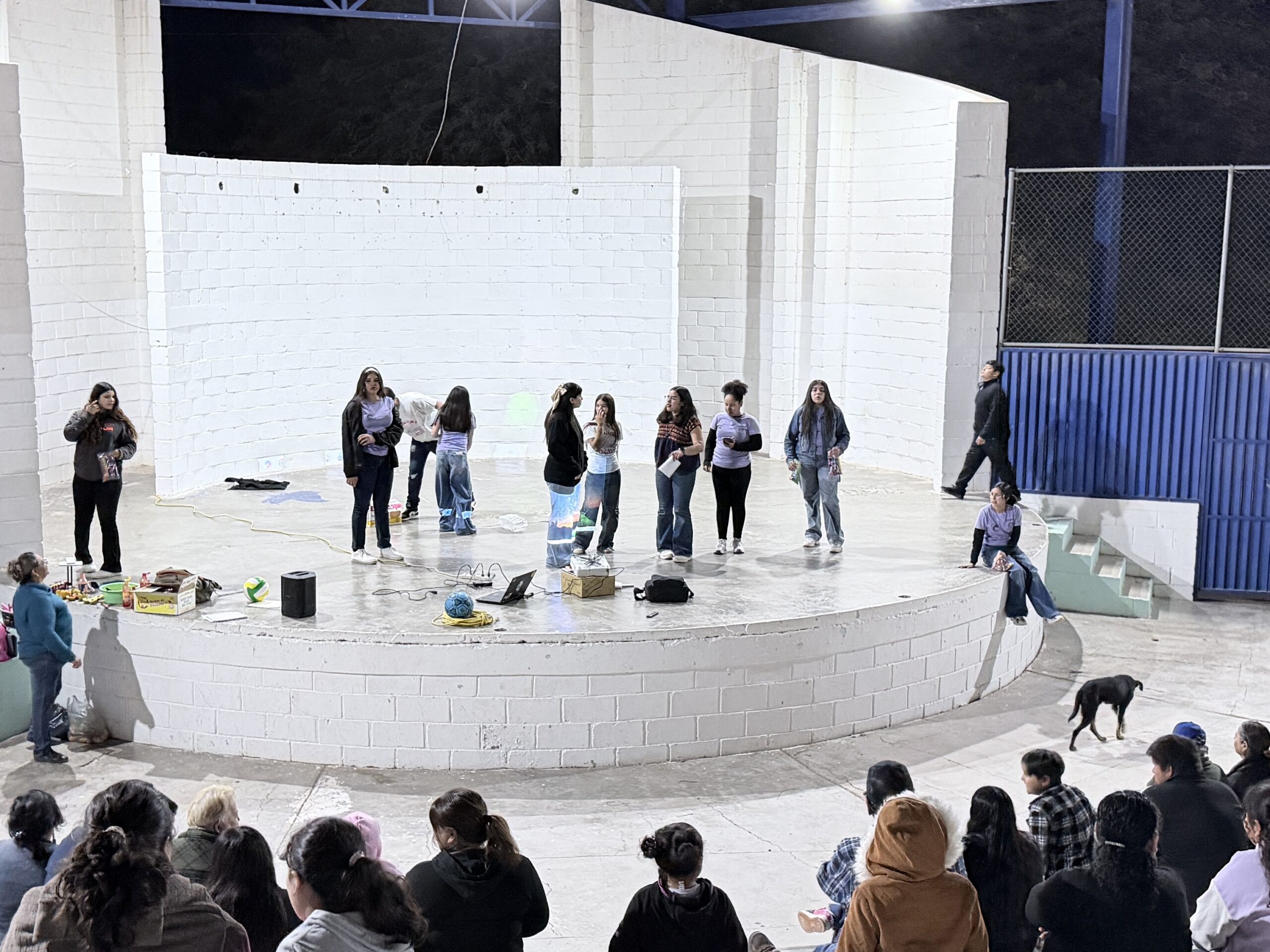
The Jovénes Delfines post-screening
Andy Galindo/Kino Bay Center
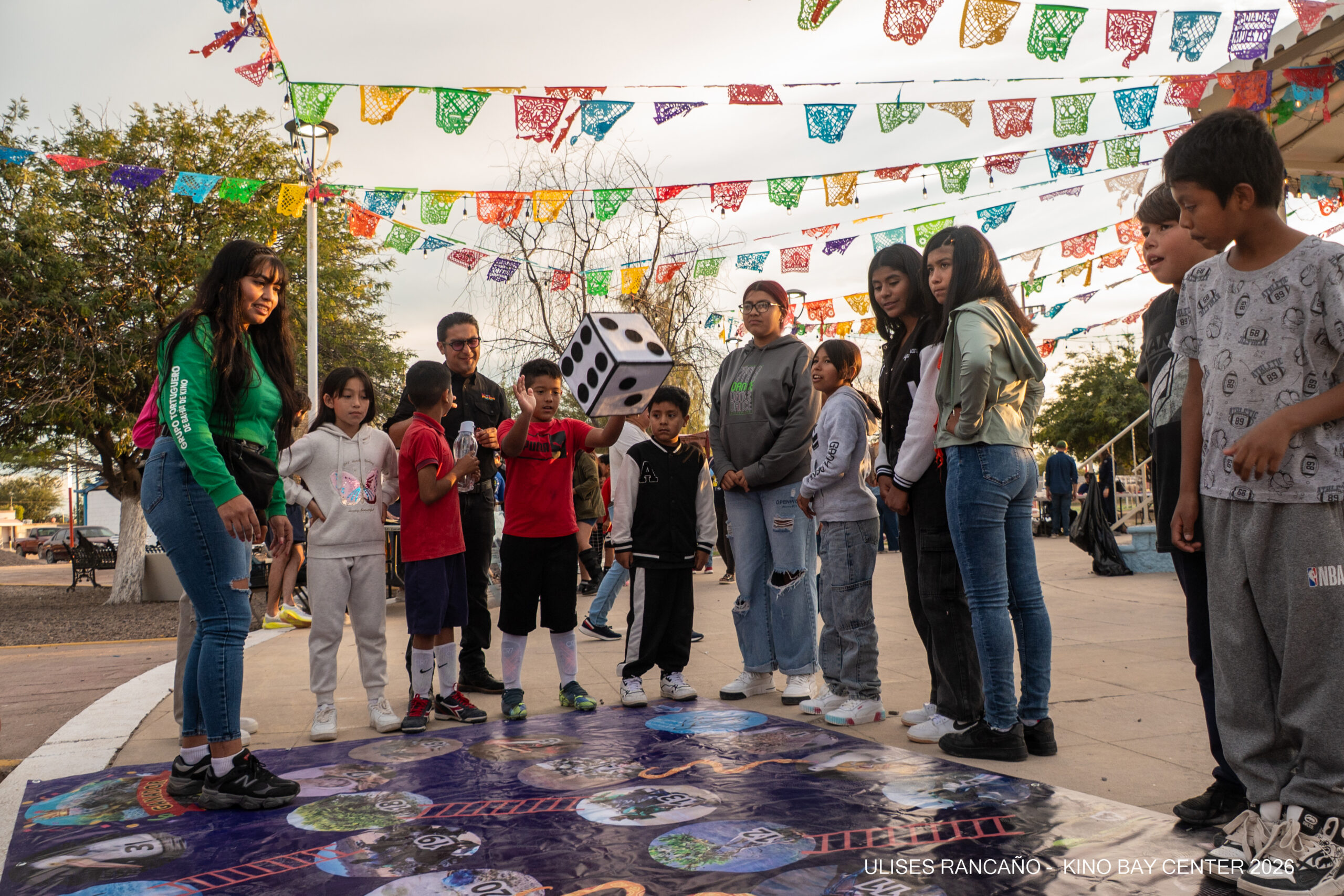
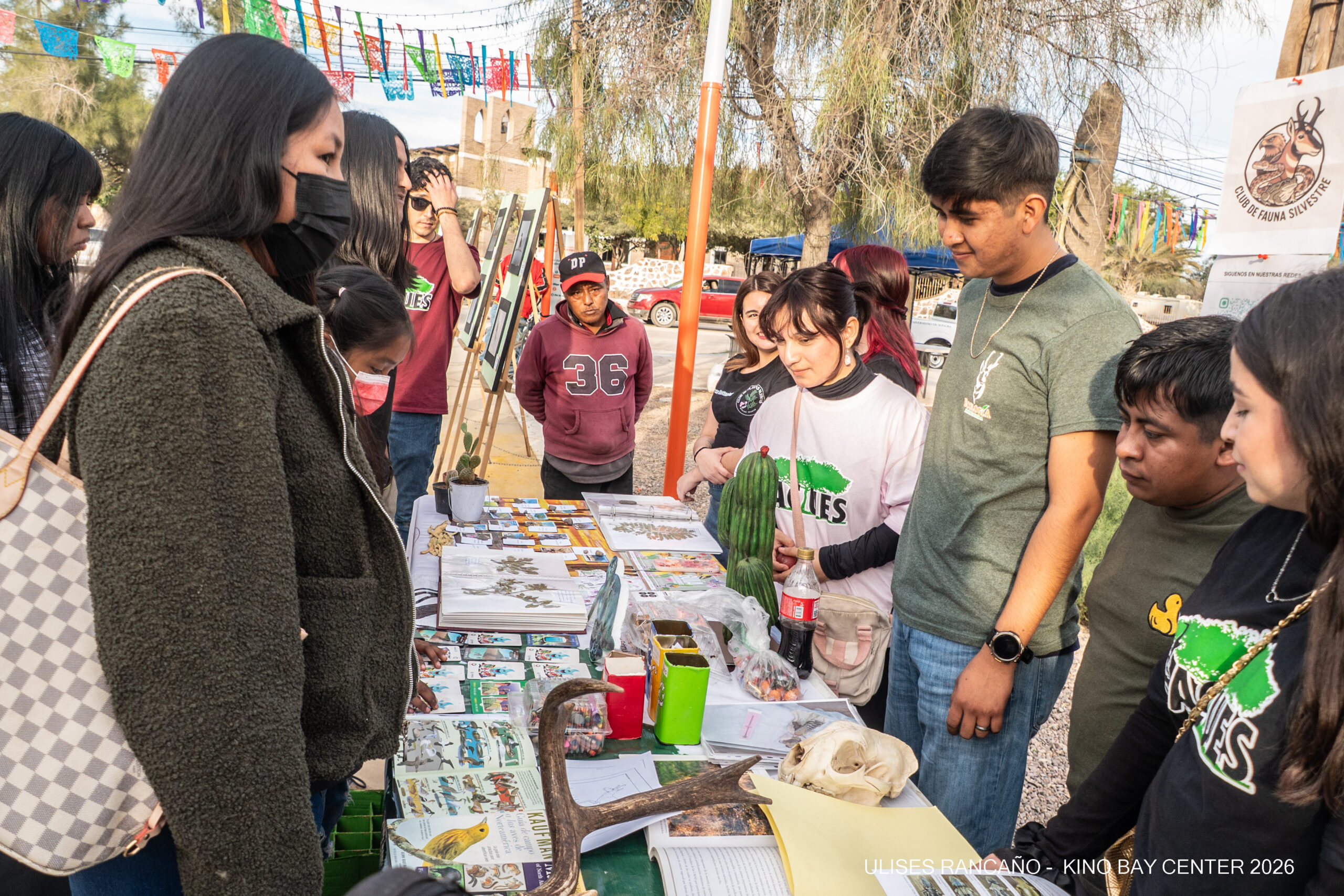
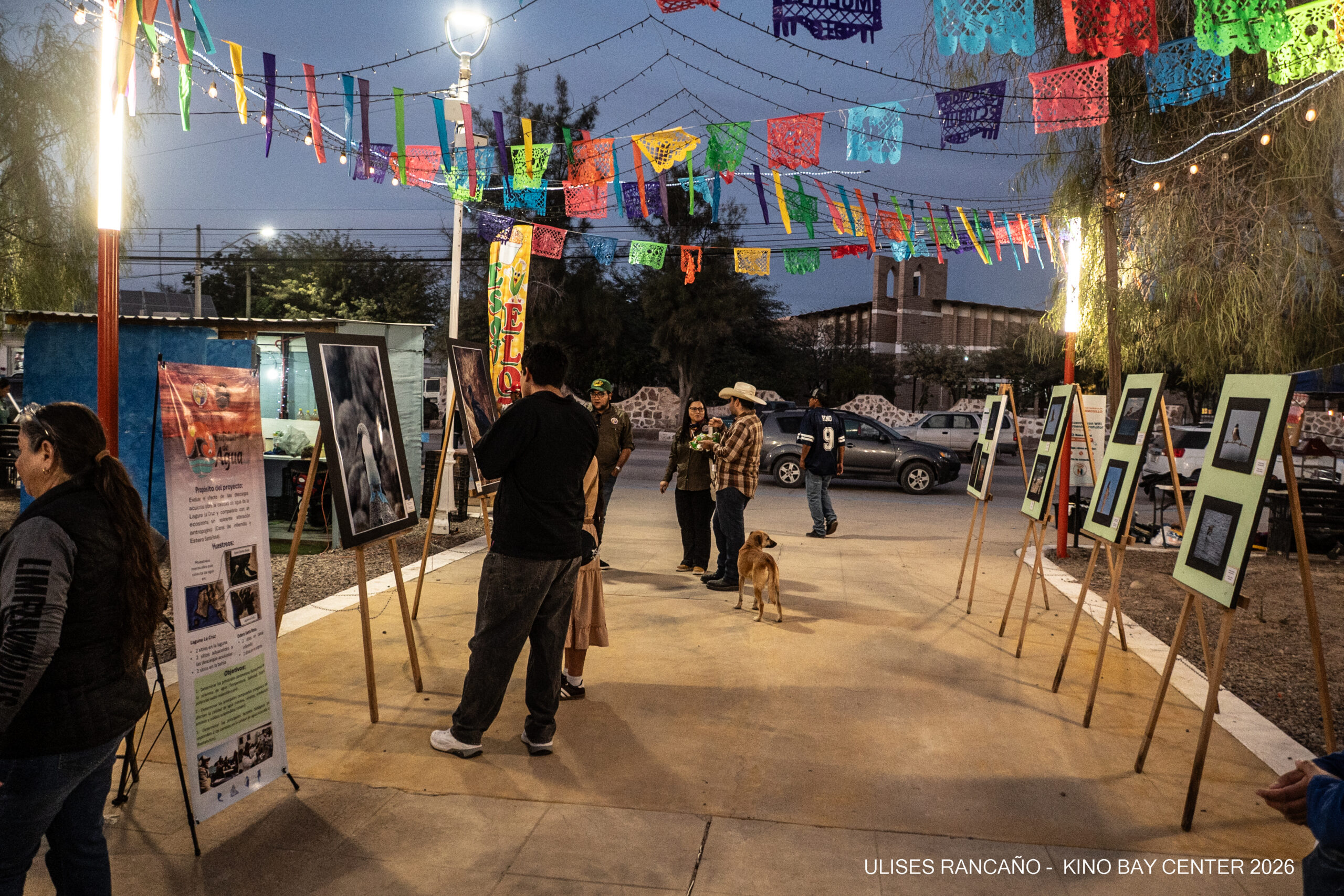
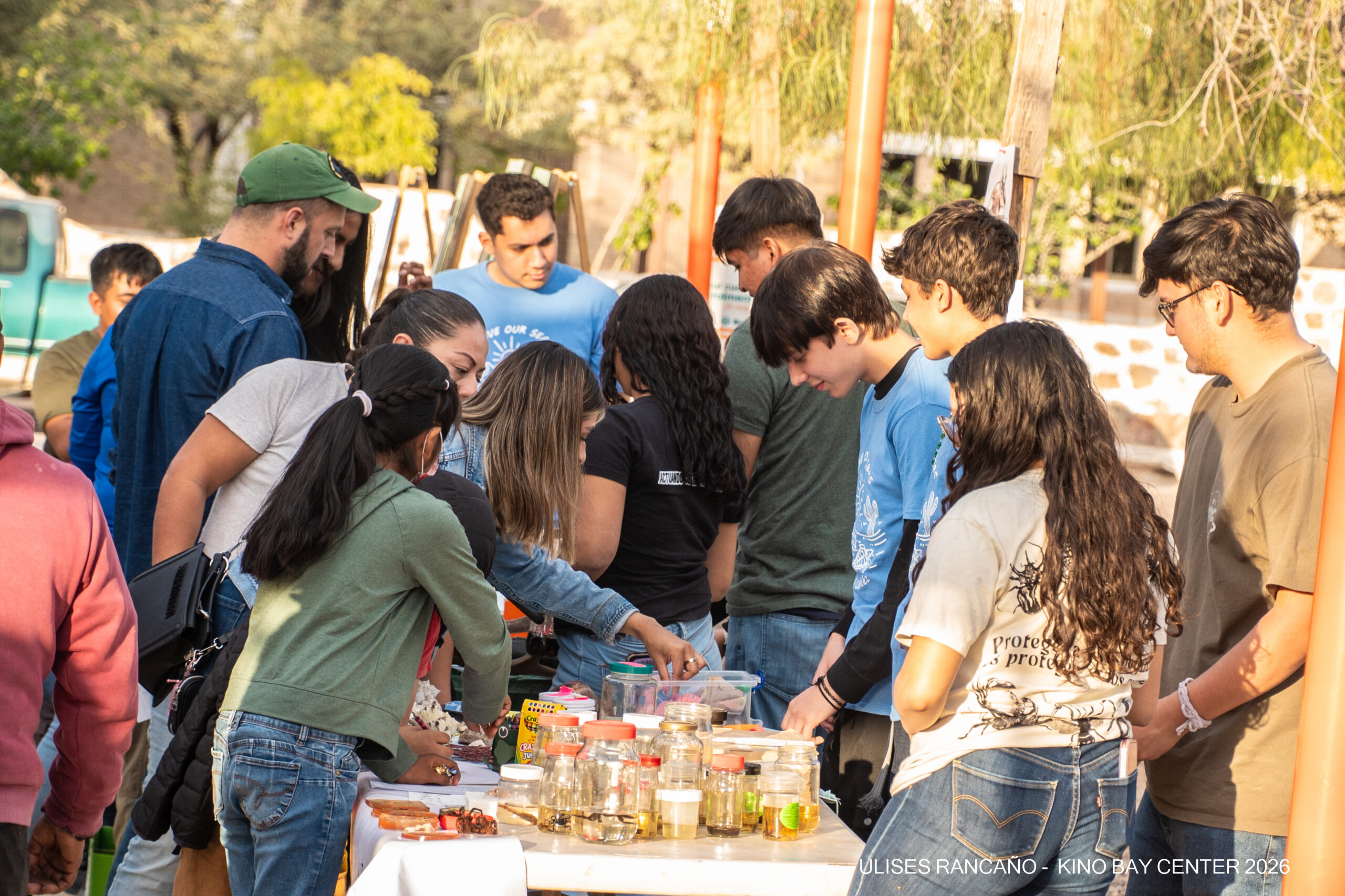
On February 7, the celebration, sponsored collaboratively by the Center and community conservation groups, took place at Eusebio Kino Plaza, where community groups presented their conservation projects to the public through games and activities focused on wetland conservation.
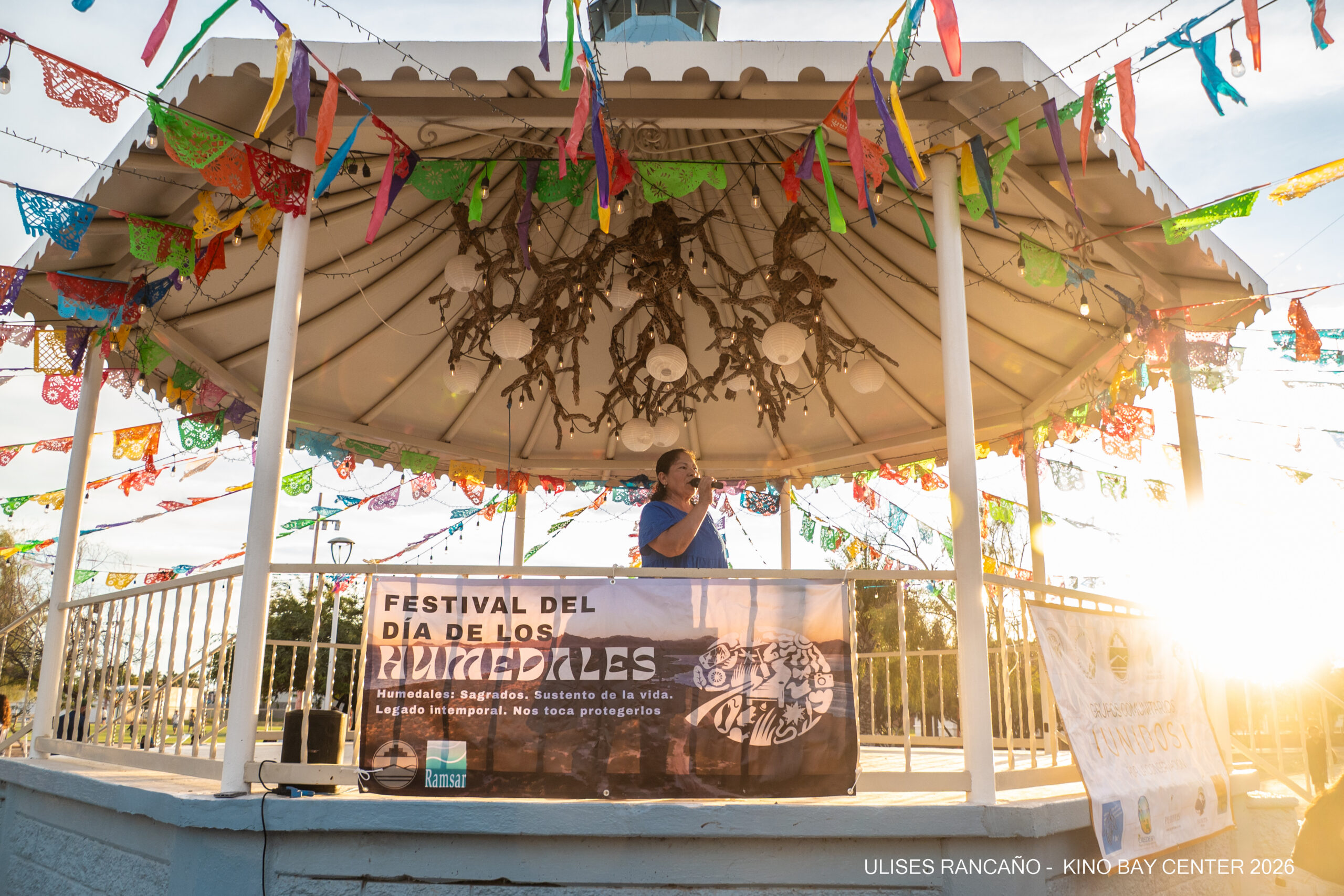
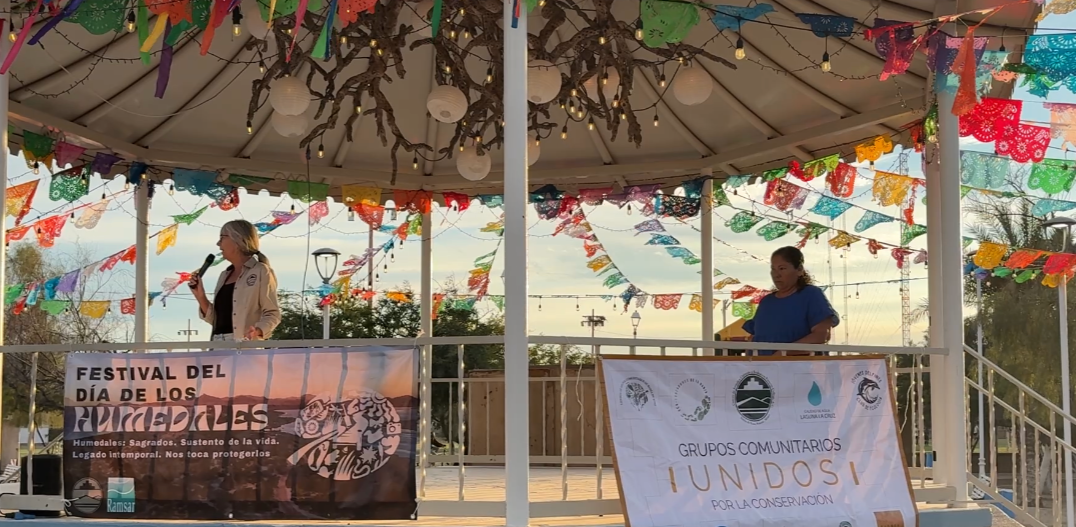
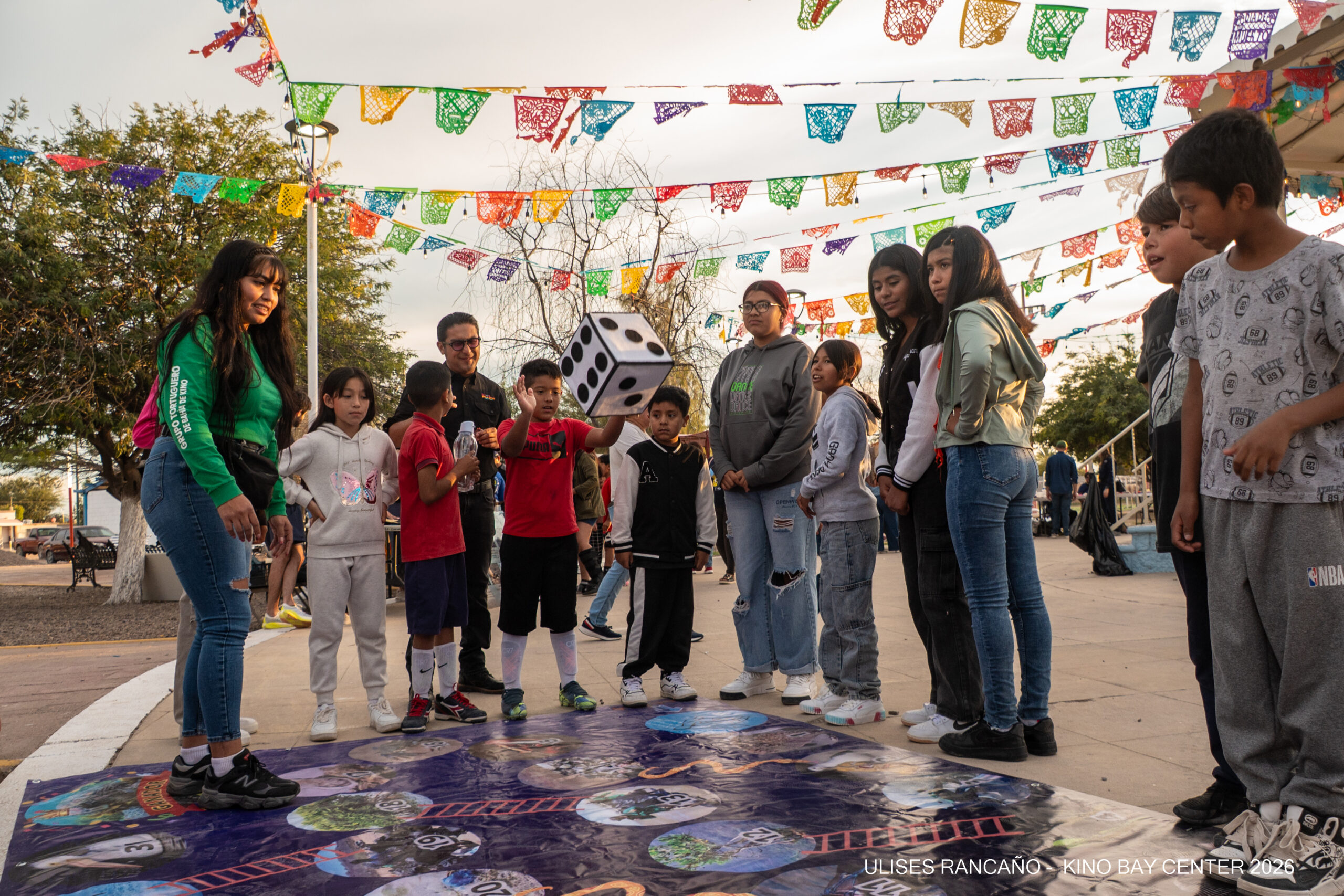
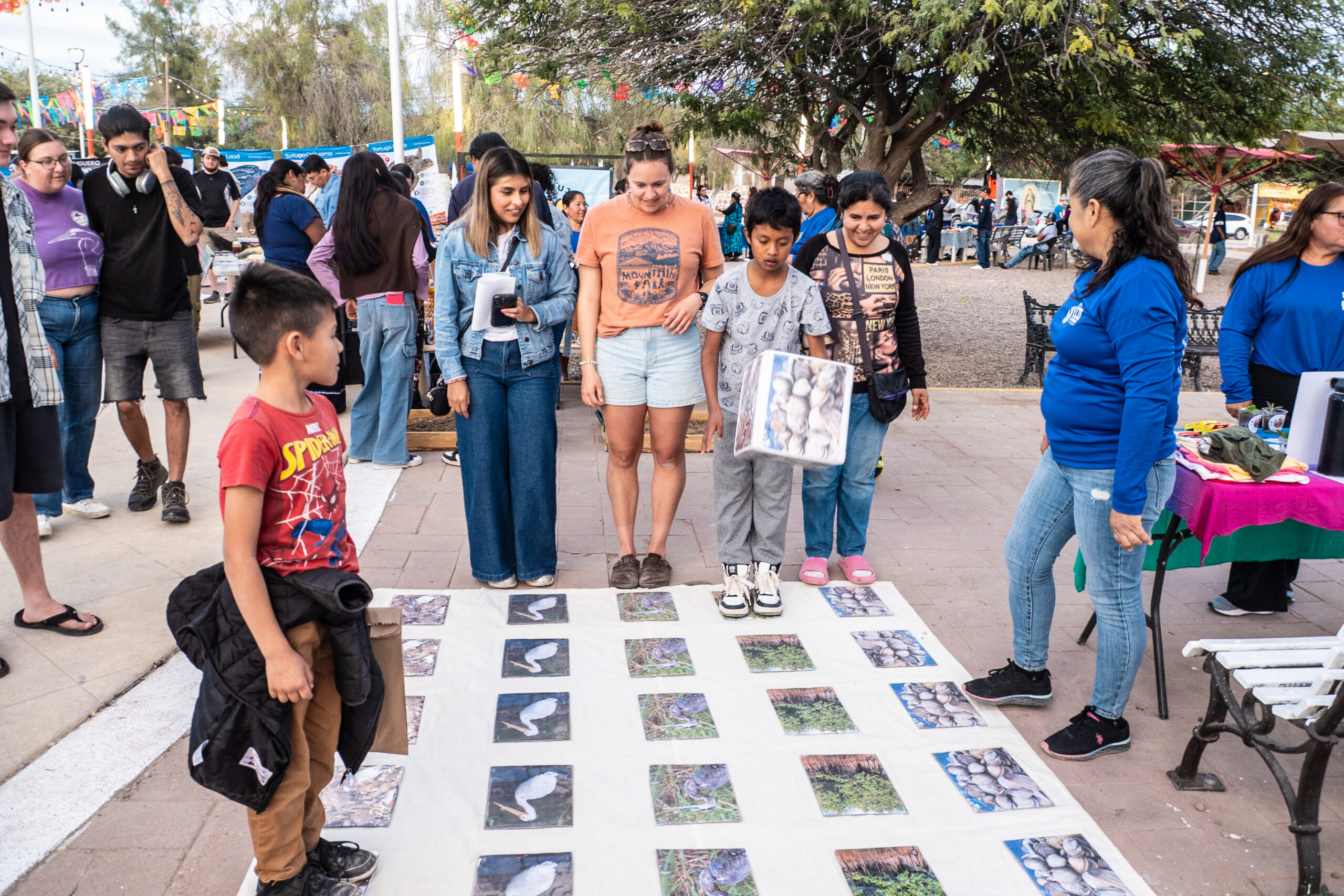
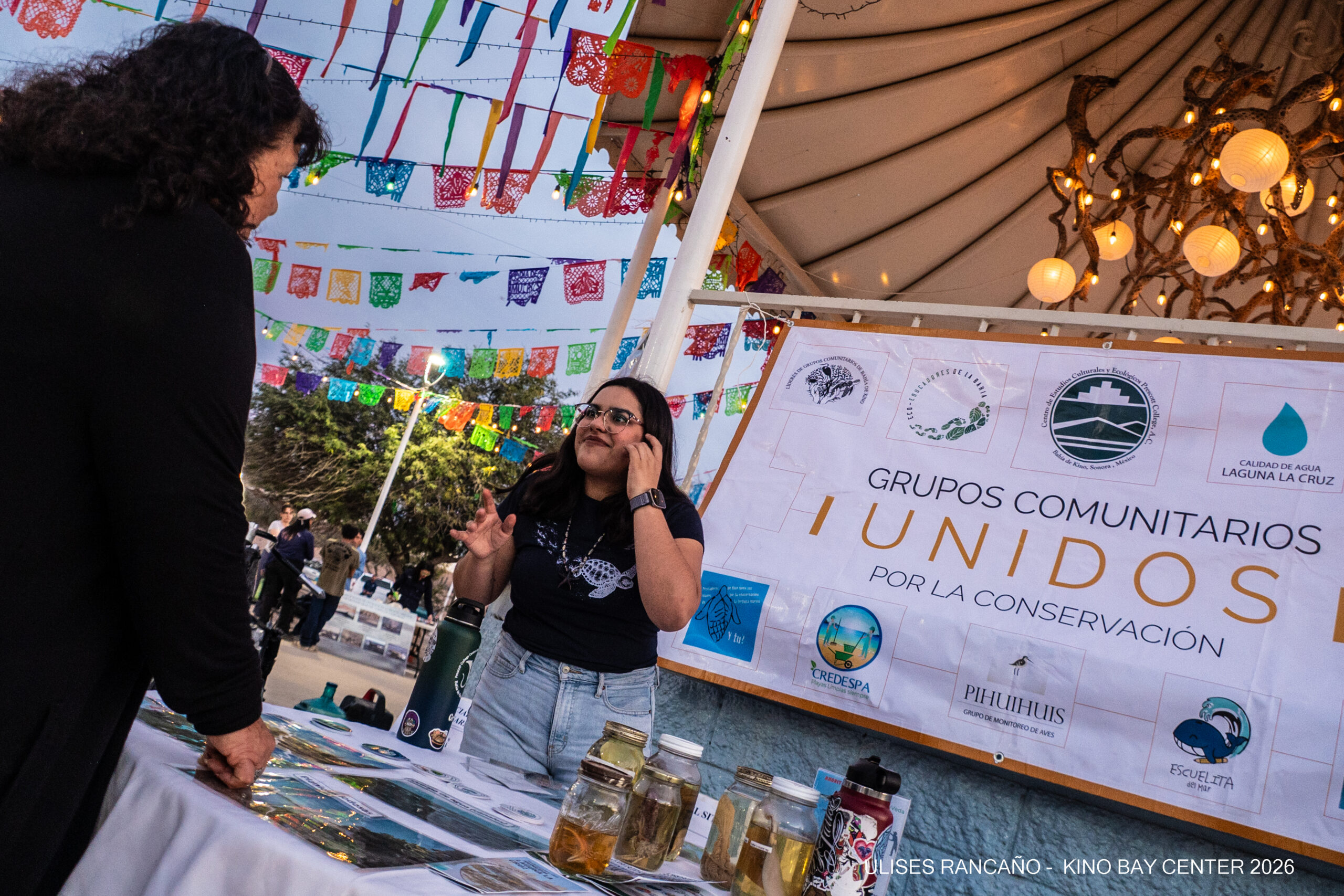
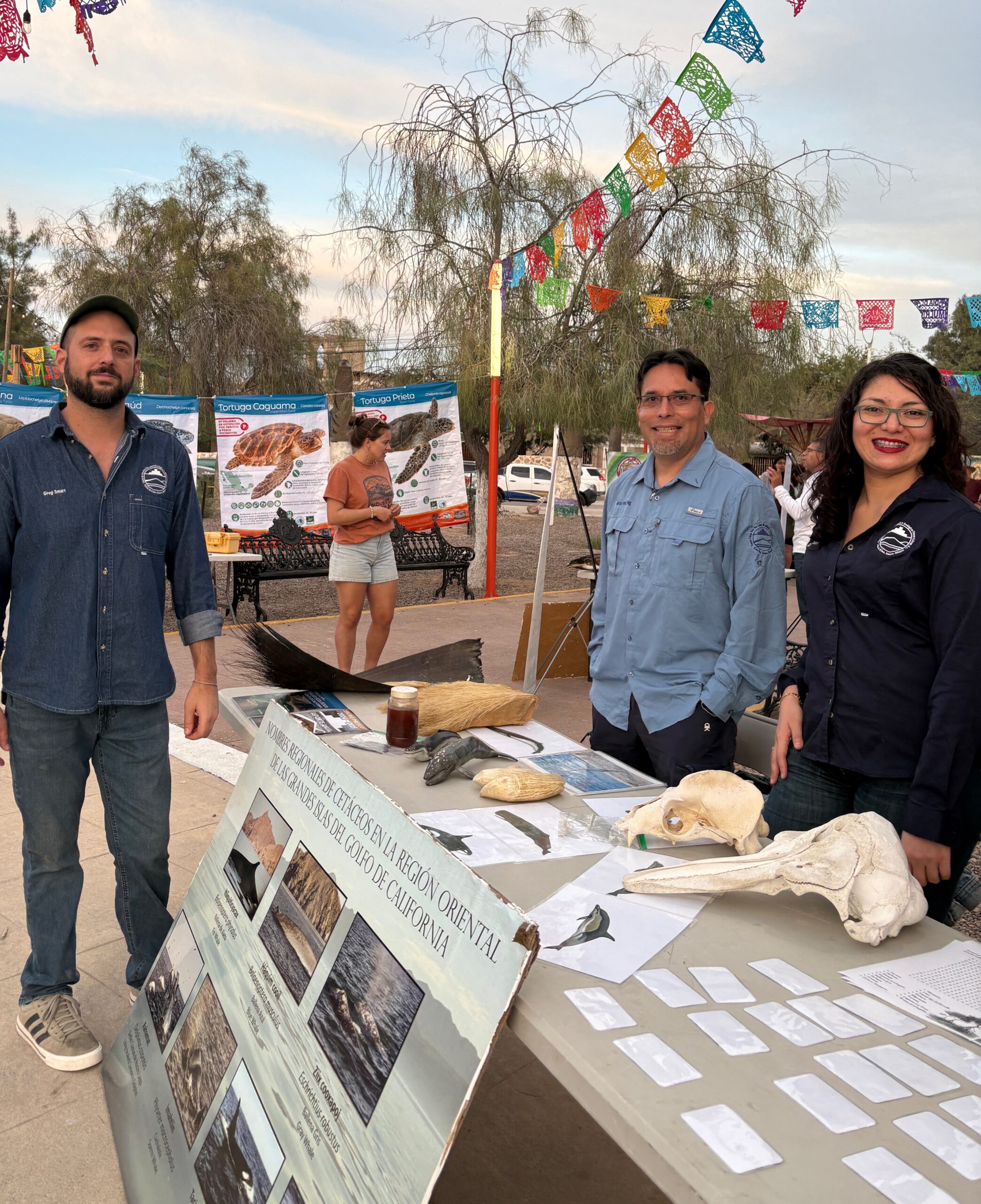
Various photographers/Kino Bay Center
The organization and ongoing commitment of community groups opens spaces for learning and community awareness. On this occasion 23 groups from Kino, Punta Chueca, and Hermosillo displayed their work and provided extensive information about the region’s great diversity of species and efforts focused on their study and conservation.
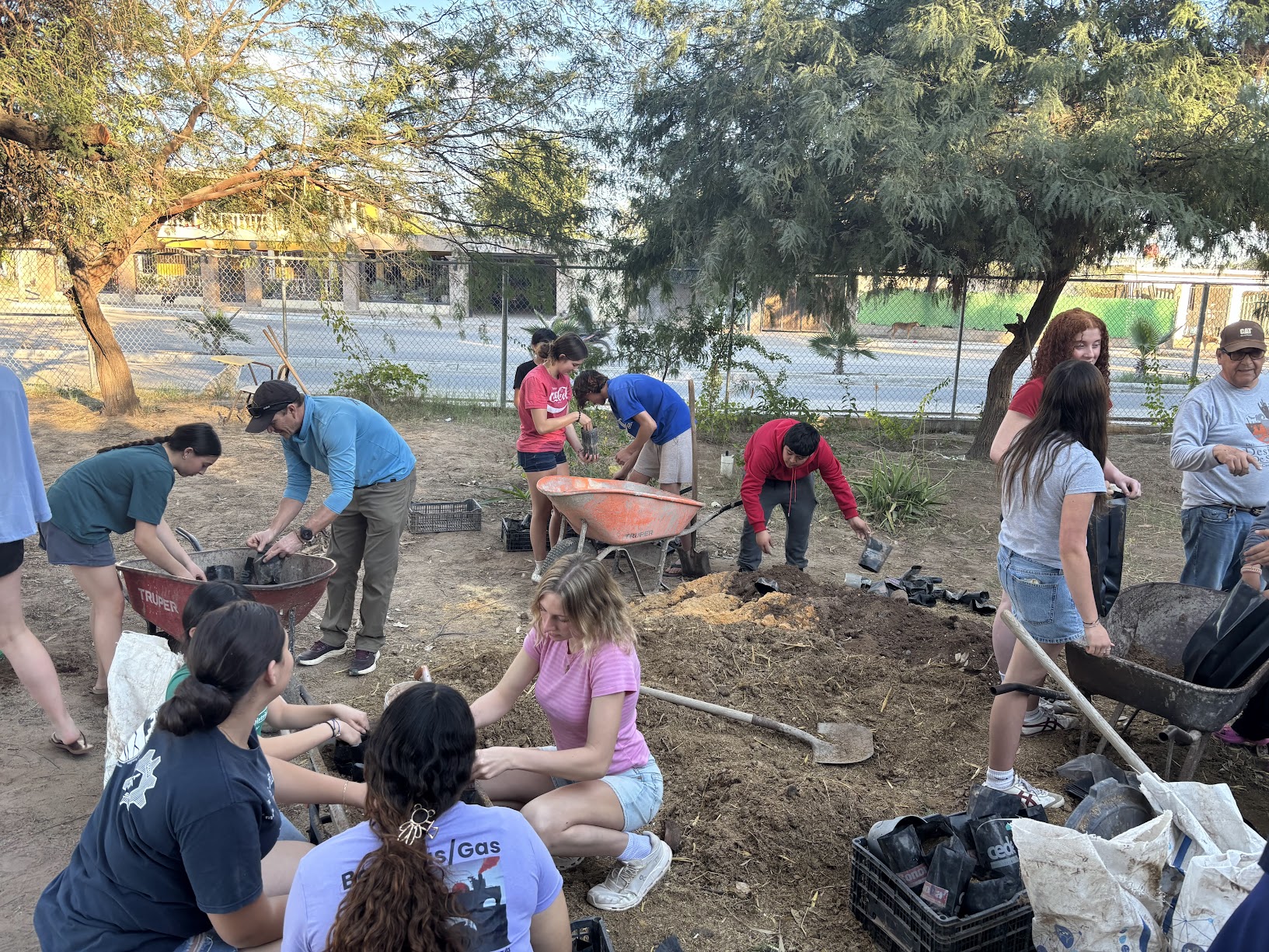
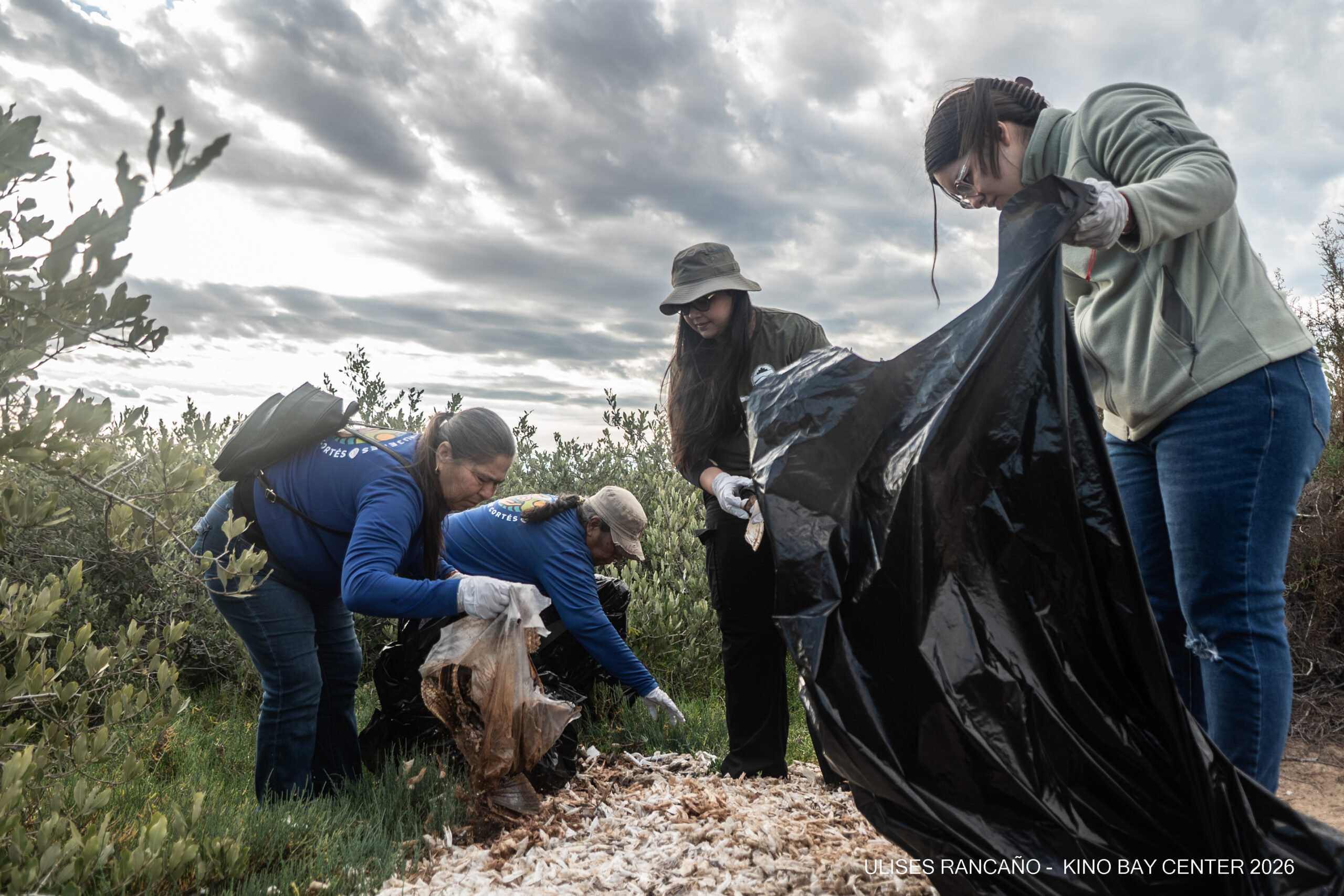
Finally, on February 8, the festival concluded with a cleanup within the Laguna La Cruz wetland, in which all the community groups that collaborate with the Center participated, collecting around 1.5 tons of waste that consisted mostly of plastics, household waste, aluminum, and remnants of abandoned fishing gear.
These two festivals, held over 4 days, in two communities exemplify the strong partnership and collaboration between the Center and local communities.
We’d like to thank all the groups that participated to help make this event come to life!
Expand the lists below to see all the participants:
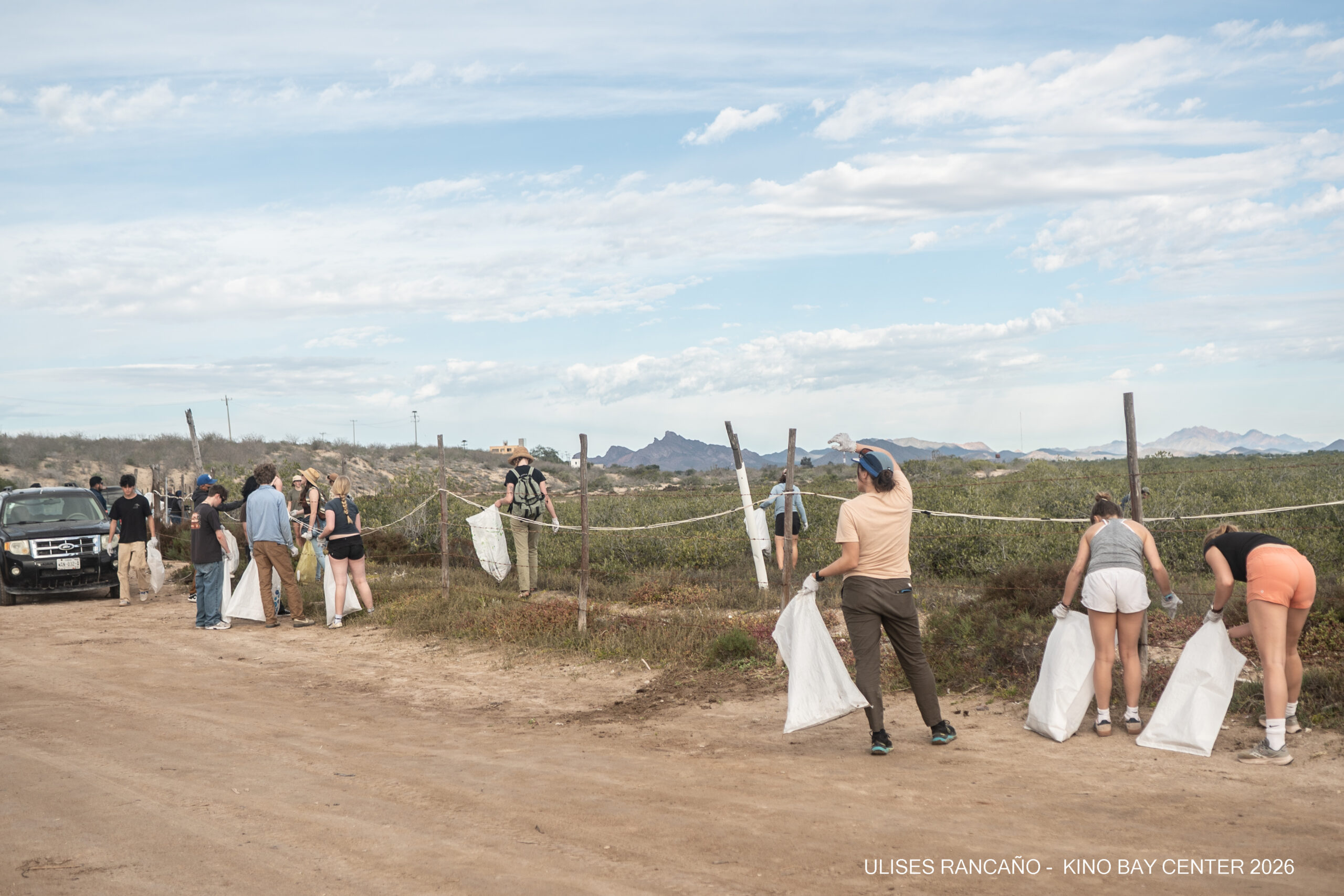
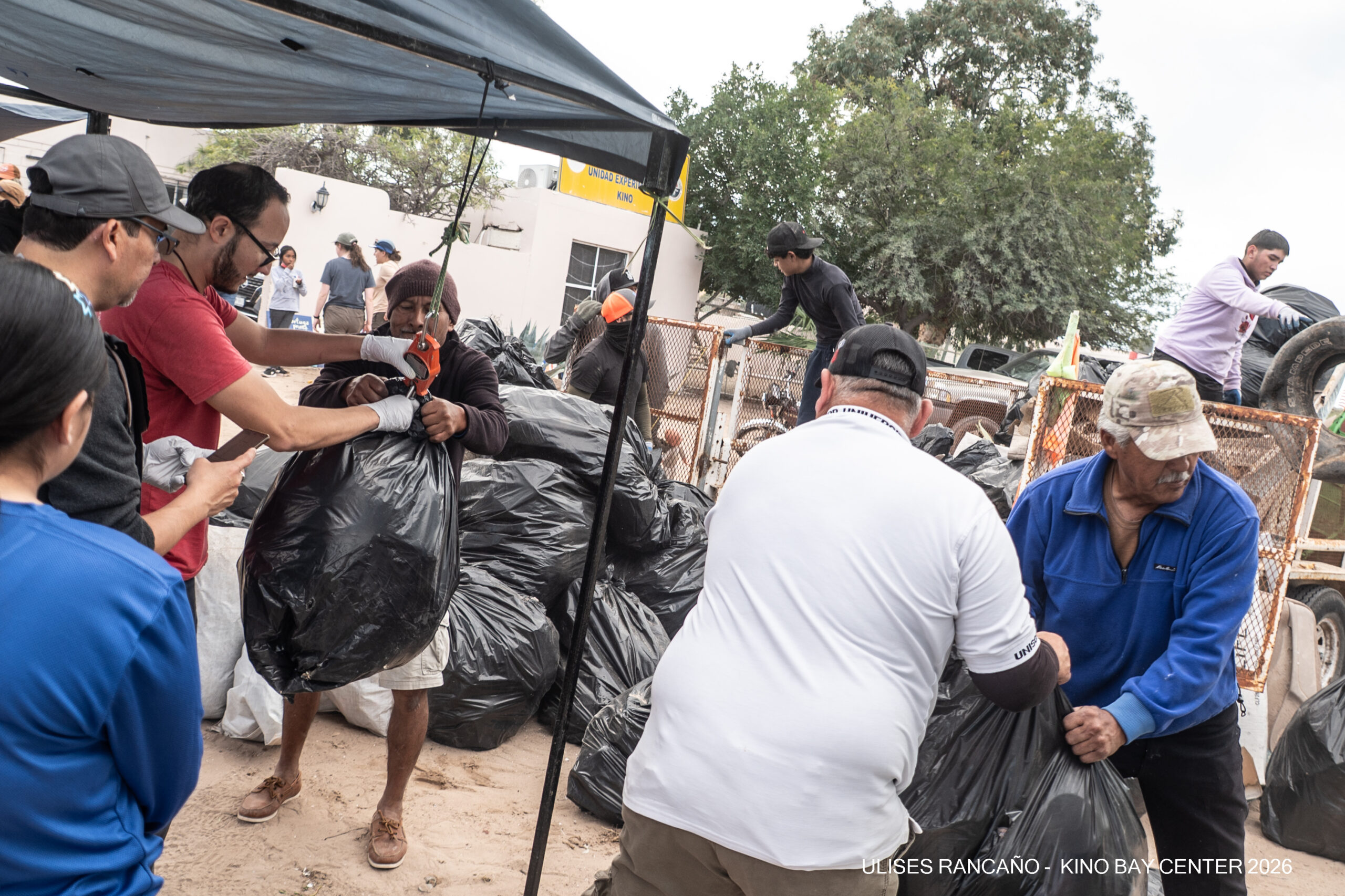
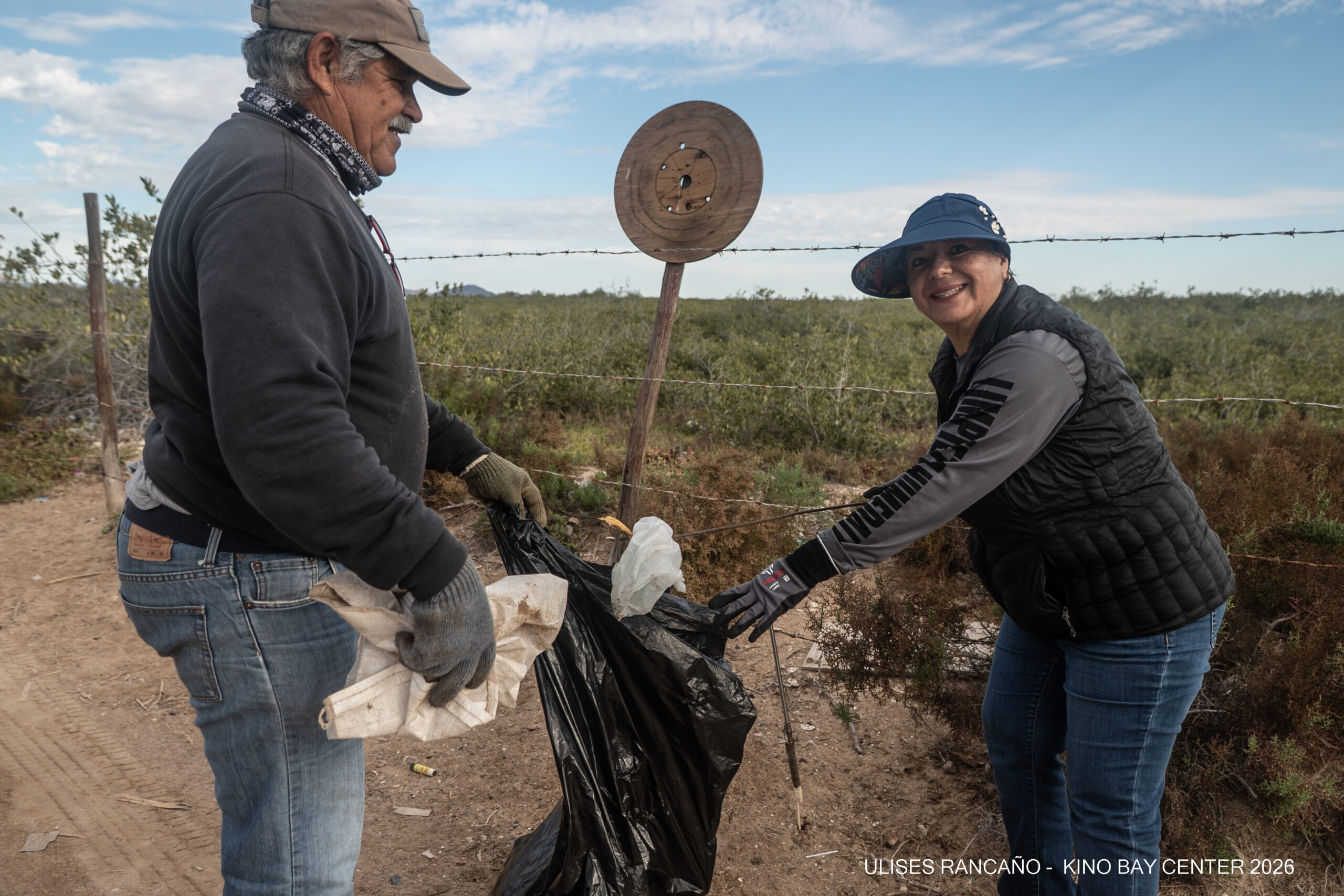
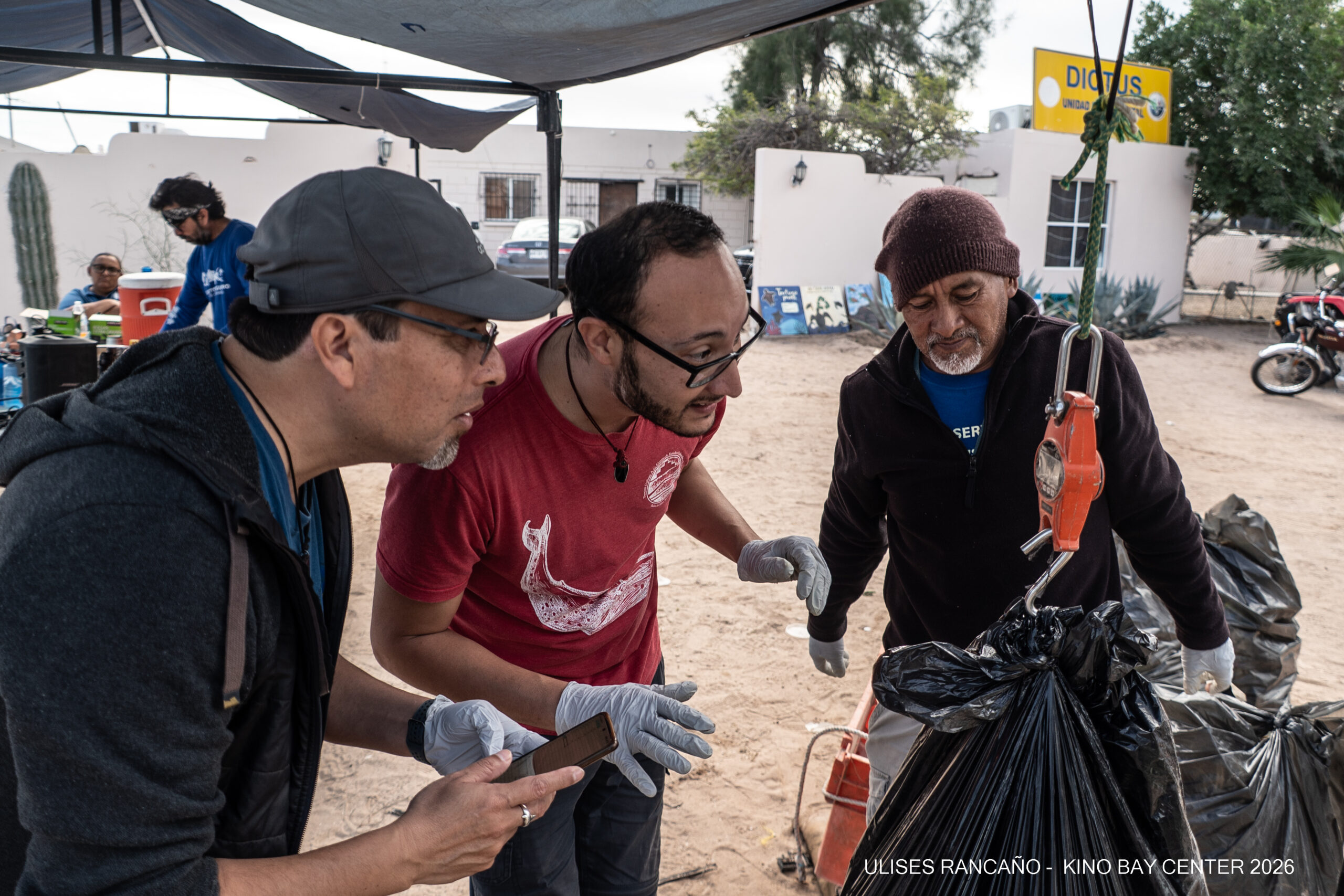
Various photographers/Kino Bay Center
Coordinated Response to Environmental Emergencies
Drone Flight Drastically Impacts Double-Crested Cormorant Nesting Season
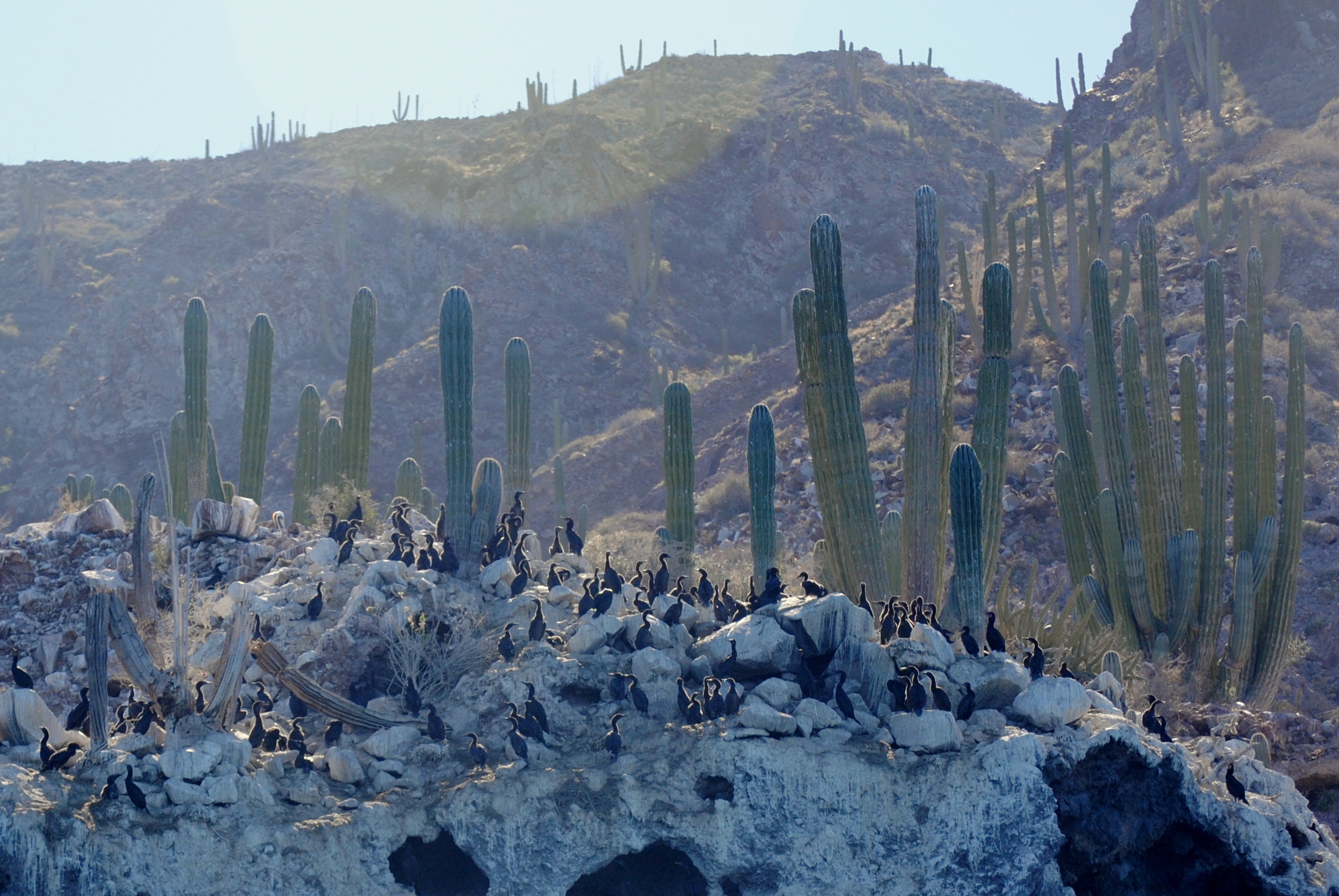
Double-crested cormorants on Isla Alcatraz
Maria Johnson/Kino Bay Center
The Center and community partners are becoming increasingly coordinated in responding to environmental emergencies as part of our conservation mission.
In the fall newsletter, you read about the response to pelican mortality from sardine boats.
This January, in an attempt to capture images that would promote tourism to the area, a drone was flown over Isla Alcatraz. The week before, the WMP counted 485 active nests; days after the flight, there were only 75. In this case, the ongoing monitoring data and consistent weekly presence on the island provided the data to quantify the impact: This level of loss cannot occur naturally.
This January, in an attempt to capture images that would promote tourism to the area, a drone was flown over Isla Alcatraz. The week before, the WMP counted 485 active nests; days after the flight, there were only 75. In this case, the ongoing monitoring data and consistent weekly presence on the island provided the data to quantify the impact: This level of loss cannot occur naturally.
Isla Alcatraz is a sanctuary for nesting waterbirds who are extremely vulnerable to human disturbance. Cormorants in particular respond immediately to perceived threats. When the colony is disturbed by noise, close human contact, or drone flights, birds abandon their nests. In many cases, they do not return.
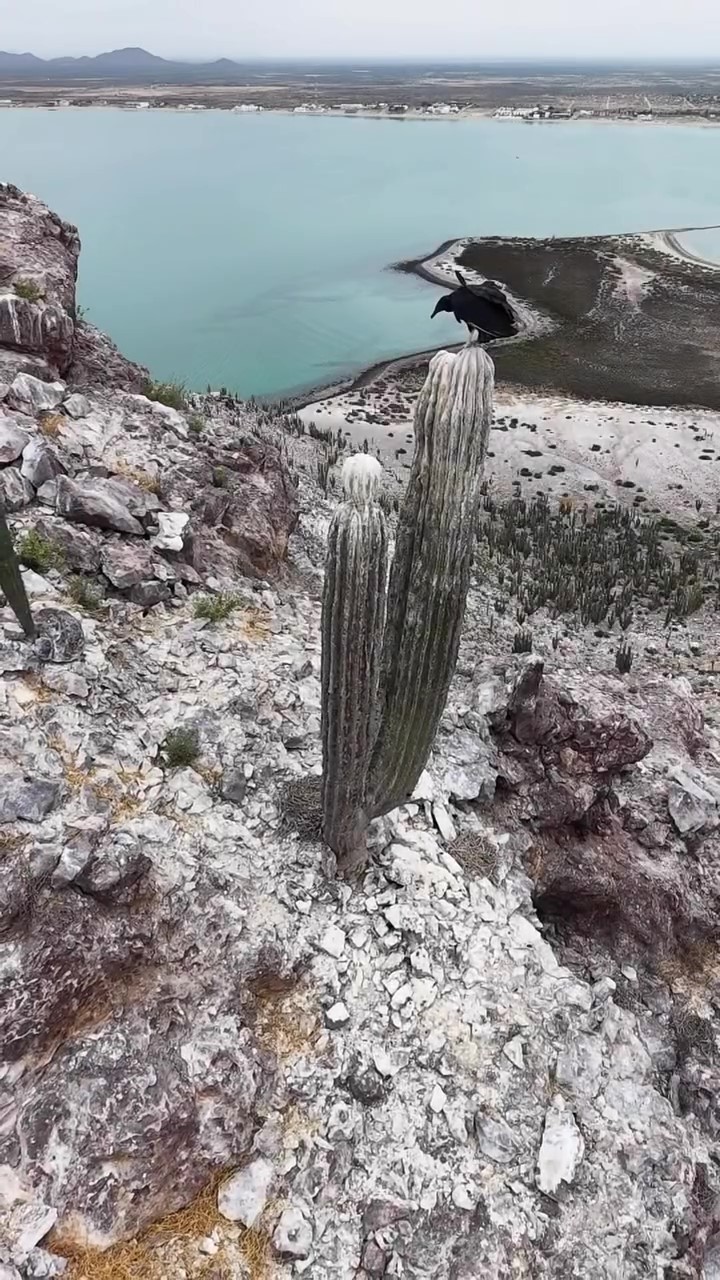
Drone shot of Isla Alcatraz
The data collected during the WMP’s weekly monitoring sessions on Isla Alcatraz helps us quantify and respond to impacts. Drone use in protected areas and near bird colonies is strictly regulated – this activity was illegal and resulted in serious harm to a species that has already been showing declines in productivity over the past few years.
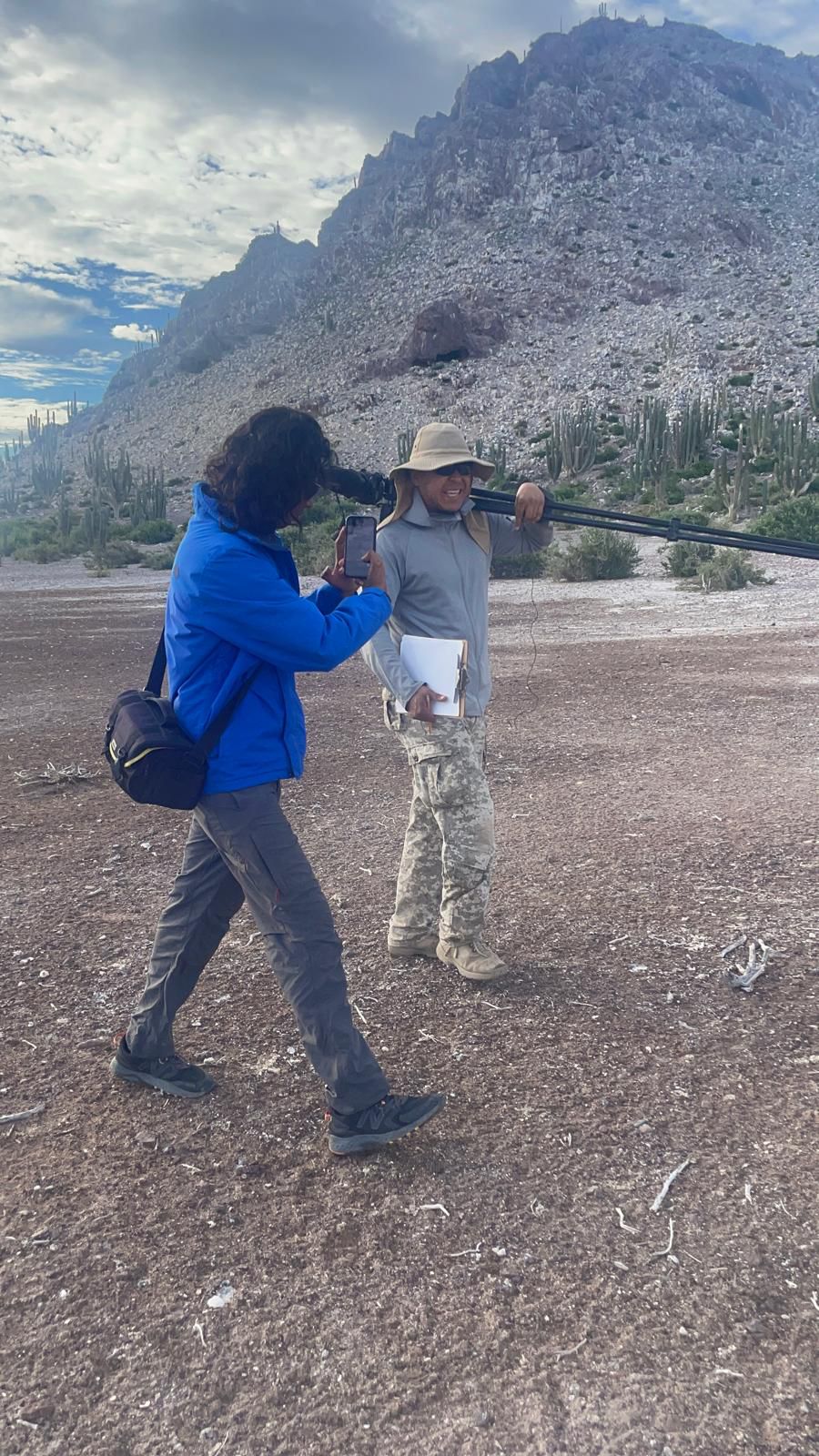
Shooting of an educational video on Isla Alcatraz
Lauren Dolinski/Kino Bay Center
In this case, the response consisted of meeting with the local commissioner and tourism promoters to explain the risks and discuss best practices; educational posts on social media, and filing a formal complaint with authorities. Our partners also shared posts and raised awareness about this growing issue.
You can help too! Please spread the word about the impacts of flying drones near wildlife and please report irresponsible use of drones near wildlife to the appropriate authorities.
Website Publication Project
The Center has an extensive archive of scientific publications that our studies have contributed to throughout the years, dating back to at least 1993 and covering a wide range of topics like shrimp trawler bycatch studies, ecological health checks, and marine mammal behavior, to name a few.
Until recently, most of these publications were stored away in our archives and were largely inaccessible to the general public unless by request. This is changing thanks to a project taken on by our Media and Communications Coordinator, Andy Galindo. The project aims to bring visibility to our rich collection of scientific publications by uploading them to our website under the publications section of the newspage.
So far, three publications have been uploaded with more coming soon. Andy aims to have all the publications by current and former Center staff members (around 50 in total) uploaded by the end of the season.
Check back on our publications page regularly to see new submissions!
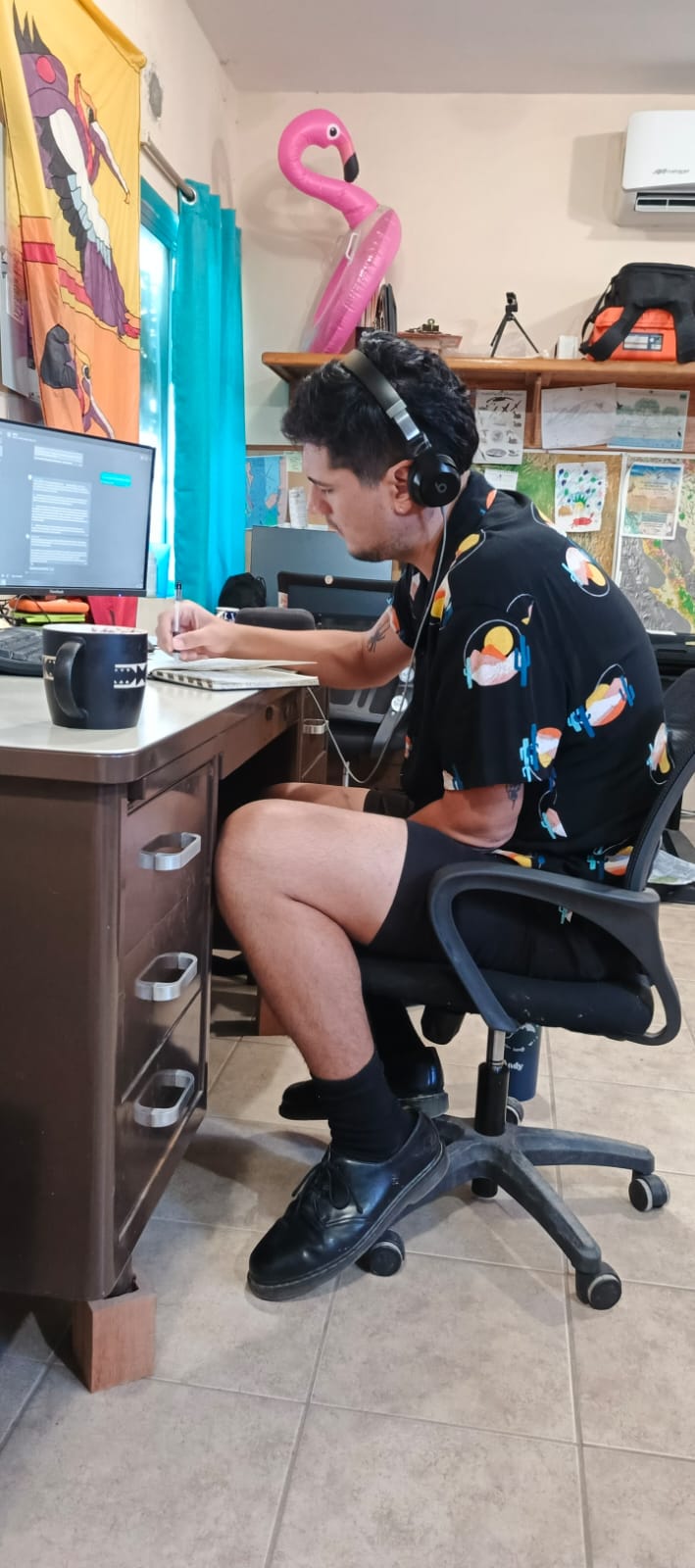
Andy hard at work
Gaby Salazar/Kino Bay Center