

First published October 31, 2025 | https://doi.org/10.5597/lajam00360
AUTHORS
Juan-Pablo Gallo-Reynoso
Centro de Investigación en Alimentación y Desarrollo, A. C
Isai-David Barba-Acuña
Centro de Investigación en Alimentación y Desarrollo, A. C
Eric Mellink
Centro de Investigación Científica y Educación Superior de Ensenada. Ensenada, Mexico
Mercedes-Eugenia Guerrero-Ruiz
Independent Researcher
Janitzio Égido-Villarreal
Centro de Investigación en Alimentación y Desarrollo
Adriana-Estefanía Flores-Morán
Centro de Investigación en Alimentación y Desarrollo
Héctor Pérez-Puig
Prescott College Kino Bay Center for Cultural and Ecological Studies A.C.
ABSTRACT
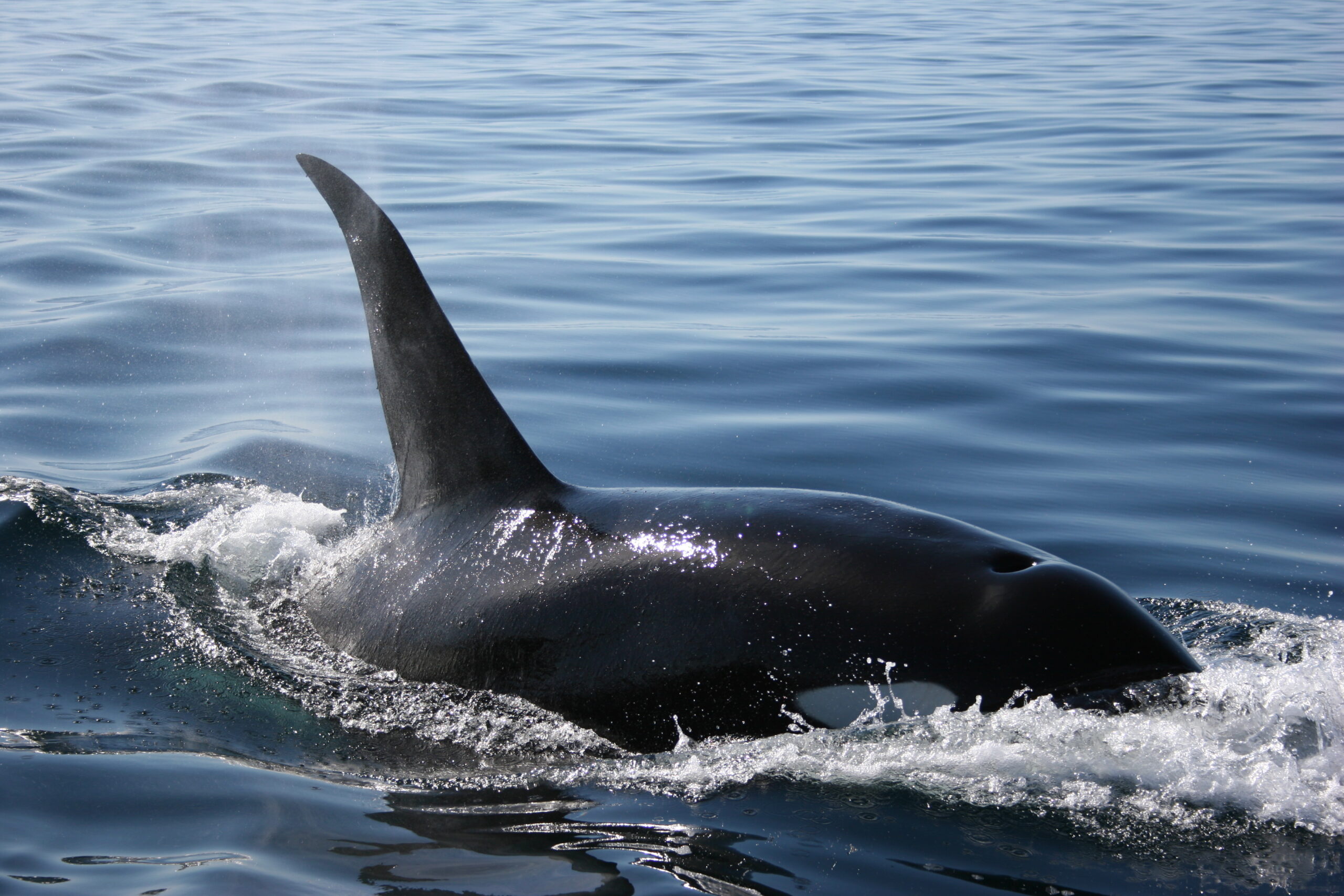
Killer whales (Orcinus orca) prey on various whale species in the world’s oceans. Here, we present seven cases of mysticetes preyed upon by killer whales on the continental coast of the Gulf of California. Five fin whales (Balaenoptera physalus), one Bryde’s whale (B. brydei), and one gray whale (Eschrichtius robustus) were preyed upon and partly consumed in the same way over 17 years in different areas of the coast of Sonora, Mexico.
The methodology included direct inspection of stranded or floating whale carcasses, analysis of predation marks, and review of videos provided by local fishermen. The notorious way in which whales were preyed upon by cutting and ripping large portions of blubber and skin layers is similar to how the whalers used to flense whale carcasses. No internal organs were consumed, although the tongue was consumed in each event. Most attacks occurred in shallow waters, coinciding with high productivity/upwelling areas. These events provide evidence on killer whales’ hunting behavior and consumption patterns, highlighting the importance